Restoration

Artful Restoration of Memorials
Families seeking headstones in Melbourne often discover that the story of remembrance extends far beyond choosing a new marker. Many turn to professional artisans for memorial renovations when time and the elements begin to alter the appearance of sacred resting places. These initial steps reveal how restoration can preserve not only structure but sentiment, and in every case, the goal remains the same: to honour loved ones with care and authenticity.
The Meaning and Importance of Memorial Restoration
Memorial restoration is a craft rooted in respect, preservation, and a deep understanding of how families connect with the past. A memorial is more than stone; it holds the stories, identities, and emotions of those it represents. Over time, weather, pollution, soil movement, and natural aging gradually affect the appearance and stability of these structures. Restoration ensures that these tributes remain visible and dignified, protecting both their physical form and the memories they symbolise. Beyond preserving aesthetics, restoration also reinforces the cultural and historical significance of memorials within communities, maintaining continuity with the past for future generations.
Careful Assessment Before Any Work Begins
A professional restoration always begins with a thorough assessment. Specialists inspect the type of stone, surface condition, level of deterioration, and any structural concerns that may require attention. Granite, marble, sandstone, and slate each have unique properties and weathering patterns, so understanding these differences is essential. This careful evaluation allows experts to choose methods that maintain the integrity of the material and respect its original craftsmanship. Detailed condition reporting also helps families understand what work is needed, what is possible, and the expected outcomes, providing reassurance and clarity.

Preserving Original Workmanship
A major part of artful restoration involves preserving the style and craftsmanship of the original monument. Professionals study carving techniques, lettering styles, decorative elements, and historical details to ensure that any work blends naturally with the existing design. When older photographs or records are available, they help guide the process, ensuring that the restored memorial reflects its authentic character rather than appearing modernised or altered. Preserving original artistry extends beyond the visual; it ensures the spiritual and emotional essence of the memorial remains intact, maintaining its significance for all who visit.
Cleaning with Precision and Care
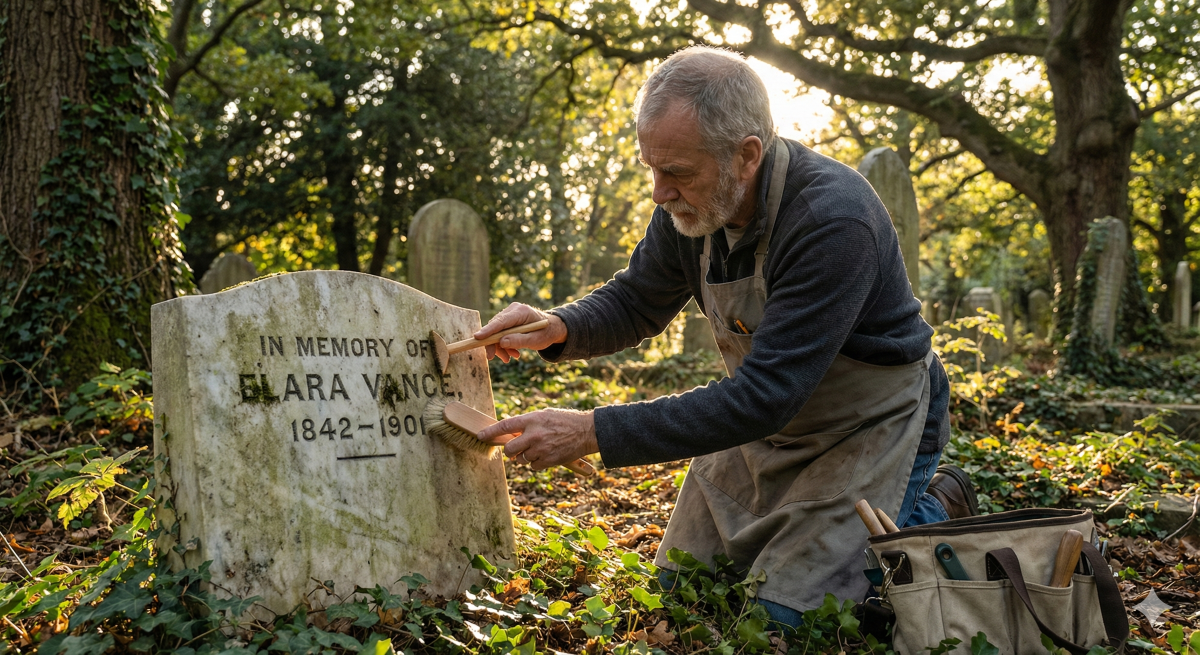
Cleaning a memorial requires skill and patience because harsh methods can cause permanent damage. Skilled restorers use gentle techniques such as soft brushing, low-pressure water flow, and stone-safe cleaning solutions. These methods remove biological growth, surface dirt, and discolouration without affecting the stone’s texture or details. As layers of buildup are lifted, families often rediscover inscriptions and ornamentation that have not been visible for years. Additionally, careful cleaning can reveal small decorative carvings or symbolic details that may have been obscured over time, enriching the memorial’s story.
Strengthening and Repairing Structures
Many older monuments develop issues such as leaning, loose joints, or cracked components. Structural restoration focuses on stabilising and reinforcing these sections using materials and techniques designed for long-term preservation. Stones may be reset, bases levelled, and cracks repaired with conservation-approved products that are strong yet reversible if future restorers need to make adjustments. These repairs ensure safety while maintaining historical accuracy. Proper structural care also protects surrounding memorials from accidental damage caused by unstable elements and ensures the site remains accessible and safe for visitors.
Restoring Inscriptions and Details
Inscriptions are among the most significant elements of any memorial, and when they fade, families may worry that names and dates will be lost. Restoration professionals use careful methods to improve readability while maintaining the original carving. Subtle re-cutting or highlighting can bring letters back to life without altering the artistic intention behind them. This attention to detail helps ensure that personal and historical information remains visible for future generations. Enhanced readability allows families to engage more deeply with the memorial, reflect on shared histories, and pass on stories of loved ones.
Enhancing the Surrounding Environment
A memorial’s surroundings influence its overall appearance and stability. Many restoration projects include basic landscaping such as clearing overgrowth, levelling uneven soil, repairing edging, or improving drainage to prevent future damage. A tidy and balanced setting enhances the beauty of the restored monument and provides a peaceful place for family reflection. In some cases, additional features such as low planting or gentle pathways are incorporated to make the site more welcoming, while still respecting the memorial’s solemn purpose.
Emotional Value and Family Connection
Restoration is not only a technical task, but it is also an emotional service. Seeing a memorial renewed often brings comfort and a sense of continuity to families. It can reconnect them with their heritage and offer reassurance that their loved one’s memory is being preserved with the respect it deserves. The process often encourages families to reflect on their history, share stories, and strengthen bonds across generations. Restorers understand the sensitivity of this work and strive to reflect the wishes and values of each family in every decision they make. The completed work can also serve as a catalyst for community engagement, inspiring visitors to appreciate shared history and cultural memory.
A Commitment to Lasting Legacy
Artful restoration combines craftsmanship, historical knowledge, and genuine dedication to preserving the past. Through careful assessment, precise cleaning, sensitive repairs, and thoughtful environmental improvements, specialists ensure that memorials continue to stand as meaningful tributes. These restored monuments allow future generations to connect with their history, appreciate their heritage, and honour the lives commemorated there. The result is a lasting legacy that remains clear, dignified, and deeply respected. As time progresses, these restored memorials become important markers not only of individual lives but of broader social and cultural history, offering a visible reminder of how remembrance and craftsmanship come together to create enduring symbols of love, memory, and legacy.